
Competency assessments in home care: the nurse-led route to safe, compliant practice
Competency assessments in home care are not just paperwork—they are the backbone of safe, compliant support. Without clear, nurse-led evaluations, risks rise and CQC standards slip. At Enfermera Clinical, we deliver evidence-based assessments that make compliance straightforward and delegation safer. Read on to see how our approach builds confidence and secures peace of mind for your team and those you care for. For more information, visit this link.
The Importance of Competency Assessments
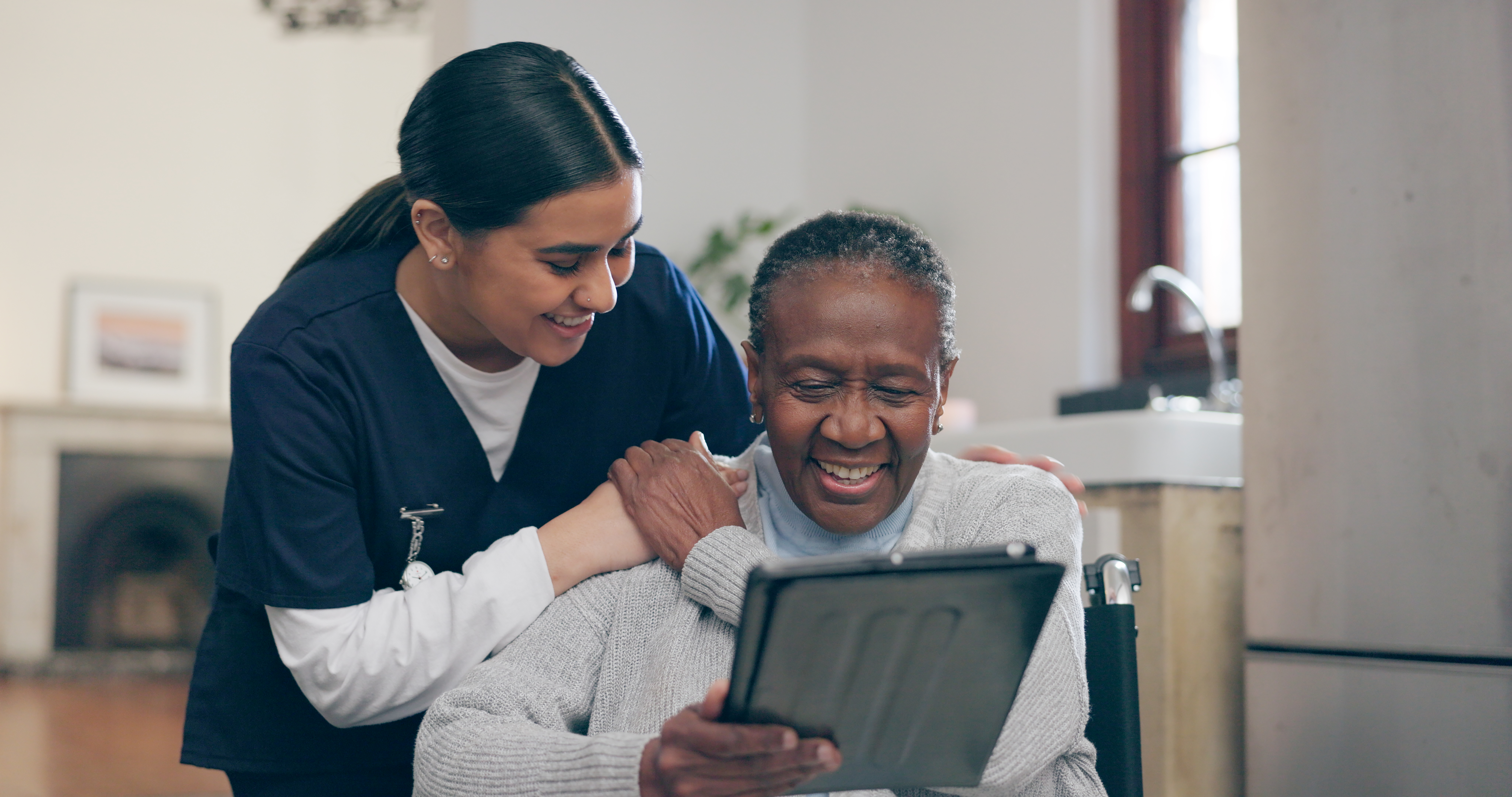
Competency assessments are fundamental to ensuring safe and effective care in home settings. They help reinforce compliance, meet CQC standards, and adhere to the NMC Code, providing a safety net for care teams and families alike.
Ensuring Home Care Compliance
Compliance in home care is about ensuring every guideline is met, reducing risks for both caregivers and clients. When you understand the standards, you safeguard against potential pitfalls. Competency assessments provide a structured approach, allowing you to maintain high-quality care consistently. They identify gaps in knowledge and practice, allowing proactive measures to be taken. This process not only protects service users but also enhances your reputation as a reliable care provider.
The focus on compliance also emphasises the importance of regular updates and training. With rules constantly changing, staying informed is crucial. This ensures that care delivery is always aligned with the latest standards, offering peace of mind to everyone involved.
For further insight into these assessments, check out this resource.
Meeting CQC Standards
The CQC standards are pivotal in maintaining quality care. They’re not just bureaucratic boxes to tick; they represent the core of what it means to provide trustworthy care. Meeting these standards requires more than basic knowledge. It involves comprehensive understanding and application of best practices.
Assessments play a crucial role here, offering a clear framework for evaluating competencies. They ensure that every member of the care team knows what’s expected and how to deliver it effectively. Regular assessment means you can quickly address any shortcomings, ensuring continuous improvement.
By focusing on these standards, you reassure families that their loved ones are receiving the best possible care. This commitment to quality not only enhances your service but also builds trust with clients.
The Role of the NMC Code
The NMC Code sets the foundation for professional behaviour in nursing. It outlines the ethical and practical guidelines that every nurse must follow. Understanding and adhering to this code is essential for any nurse-led service.
Competency assessments ensure that all actions align with the NMC Code. They provide a robust mechanism for monitoring conduct and practice, ensuring consistency at all levels. This alignment builds confidence, both within your team and among clients.
The real benefit is the reassurance it provides. Clients can trust that care is delivered by professionals who are not only skilled but also ethically guided. This trust is invaluable in a field where personal care is paramount.
Nurse-Led Training for Safe Practice

Nurse-led training offers a unique perspective on care delivery. It combines clinical expertise with a deep understanding of patient needs, ensuring practices are both safe and effective.
Skills Sign-Off and Supervision
Skills sign-offs are more than just formalities. They confirm that every care team member is competent in specific tasks. This process involves supervision by qualified nurses, ensuring that skills meet the required standards.
Supervision provides a dual benefit. It reinforces learning while offering real-time feedback. This approach ensures continuous improvement and confidence in task performance.
With regular skills sign-offs, you can guarantee that your team is always prepared to deliver safe care. This process also highlights areas for further training, ensuring that development is ongoing.
Medication Administration Competency
Administering medication correctly is critical in home care. Mistakes can have serious consequences. Ensuring competency in this area is non-negotiable. Nurse-led assessments ensure that caregivers understand the correct procedures, reducing the risk of errors.
These assessments focus on practical skills, ensuring that caregivers can administer medication safely and accurately. They also cover record-keeping, ensuring that every dose is documented properly.
Through these evaluations, you can be confident that your team is equipped to handle medication administration with precision and care. This commitment not only protects clients but also enhances the credibility of your service.
Moving and Handling Training
Moving and handling are daily tasks in home care, but they come with risks. Proper training ensures these tasks are performed safely, protecting both caregivers and clients.
Nurse-led training covers the best techniques for moving and handling, ensuring that caregivers are well-prepared. This training focuses on practical skills, teaching safe methods that can be applied in real situations.
With effective training, you reduce the risk of injury, ensuring that care is delivered safely and consistently. This focus on safety builds trust with clients and their families, reinforcing your commitment to quality care.
Specialised Care Training

Specialised care requires unique skills and knowledge. Nurse-led training provides the expertise needed to deliver specific care safely and effectively.
PEG Feeding and Tracheostomy Care
PEG feeding and tracheostomy care are complex tasks that require specific training. These procedures are vital for certain patients, but they must be handled with care.
Nurse-led training ensures caregivers understand the intricacies of these tasks. Training focuses on practical skills and safety protocols, ensuring that each step is performed correctly.
By investing in specialised training, you ensure that your team can deliver these complex tasks safely. This focus on specialised skills not only enhances care but also builds confidence in your service’s capabilities.
Diabetes Management and Catheter Care
Managing diabetes and catheter care are essential skills in home care. These tasks require a thorough understanding of medical procedures and patient needs.
Training in these areas ensures caregivers can deliver personalised care effectively. It covers everything from monitoring blood sugar levels to proper catheter management, ensuring that each task is performed accurately.
This training provides caregivers with the knowledge they need to manage these conditions safely. By focusing on specific skills, you can ensure that your team is well-equipped to handle the unique challenges of these tasks.
Safeguarding Adults and Mental Capacity Support
Safeguarding adults and supporting mental capacity are crucial aspects of home care. They require a deep understanding of the legal and ethical considerations involved.
Training in these areas ensures caregivers understand their responsibilities and the best ways to support clients. It covers everything from recognising signs of abuse to understanding consent.
This training empowers caregivers to protect their clients’ rights and well-being. By focusing on these critical areas, you ensure that your service is not only compliant but also compassionate.
In conclusion, structured, nurse-led competency assessments are essential for delivering safe, effective home care. They ensure compliance, build trust, and enhance the quality of care delivered. Investing in these assessments and training programmes is a step toward excellence in home care. For more insights on competency in care, check out this resource.