
From Uncertainty to Confidence: How Clear Clinical Guidance Strengthens Home Care
Uncertainty in home care creates risks that no one wants to face. When care teams lack clear clinical guidance, mistakes can happen, and confidence can falter. Nurse-led training and bespoke care plans from Enfermera Clinical help you build trust and safety through practical, person-centred support. Ready to reduce uncertainty and raise standards? Keep reading to see how expert clinical guidance makes all the difference.
Importance of Clear Clinical Guidance

Clear clinical guidance offers a foundation for safe and effective home care. It addresses risks, empowers care teams, and builds confidence in families.
Reducing Risk in Home Care
Home care risk is a concern for both families and providers. Without proper guidance, caregivers might make errors that impact patient health. Providing a structured approach mitigates these risks. For instance, having a clear protocol for medication administration can prevent dosage errors and improve patient outcomes. Studies show that guidance reduces adverse incidents by up to 30%.
Additionally, clinical guidance helps in anticipating potential complications. With a preventive mindset, you can address issues before they escalate. This proactive approach not only safeguards patients but also reduces stress on caregivers. Most assume home care is inherently risky, but structured guidance can make it safer than one might think.
Empowering Home Care Teams
An empowered team delivers better care. When caregivers receive clear instructions, they work more confidently. Training plays a crucial role here. With nurse-led training sessions, teams gain hands-on experience and practical skills.
Moreover, regular feedback loops strengthen team capabilities. By discussing challenges and solutions, teams develop a collaborative approach. This ongoing support fosters a culture of learning and improvement. While many believe home care teams lack resources, the right training can make all the difference.
Enhancing Family Confidence
Families need assurance that their loved ones are in capable hands. Clear guidance provides this peace of mind. When families see caregivers following established protocols, their trust grows. This is essential for maintaining a harmonious home care environment.
Furthermore, open communication with families enhances confidence. By explaining care plans and addressing concerns, you build a transparent relationship. This reduces anxiety and ensures everyone is on the same page. Contrary to popular belief, involving families in the care process strengthens the overall care dynamic.
The Role of Nurse-Led Training

Nurse-led training is pivotal in elevating home care standards, providing comprehensive packages, assessments, and tailored solutions.
Comprehensive Training Packages
Training packages are the foundation of effective care. They cover essential skills ranging from basic life support to complex procedures. By offering a broad curriculum, caregivers are well-prepared for various situations.
These packages are crafted by experienced nurses with diverse clinical backgrounds. Their insights ensure that the training is both practical and relevant. By focusing on real-world scenarios, caregivers can apply their learning directly to patient care. This hands-on approach challenges the notion that theoretical training suffices in home care settings.
Formal Competency Assessments
Assessments validate caregiver skills. They ensure that individuals meet the necessary standards to provide safe care. Regular evaluations highlight areas for improvement, driving continuous development.
Assessments also underscore accountability. By holding caregivers to high standards, you ensure that they deliver quality care consistently. This commitment to excellence reassures families and enhances the agency’s reputation. In contrast to the belief that assessments are merely formalities, they play a crucial role in maintaining care quality.
Tailored Training Solutions
Every home care situation is unique, and solutions must reflect that. Tailored training addresses specific client needs, ensuring personalised care. By customising training, caregivers are equipped with the precise skills required for their roles.
This bespoke approach means that training is always relevant and effective. It respects the individuality of each care scenario, promoting better outcomes. While some might think standardised training is sufficient, tailored solutions prove otherwise, offering a more nuanced approach to care delivery.
Bespoke Care Plans for Person-Centred Care
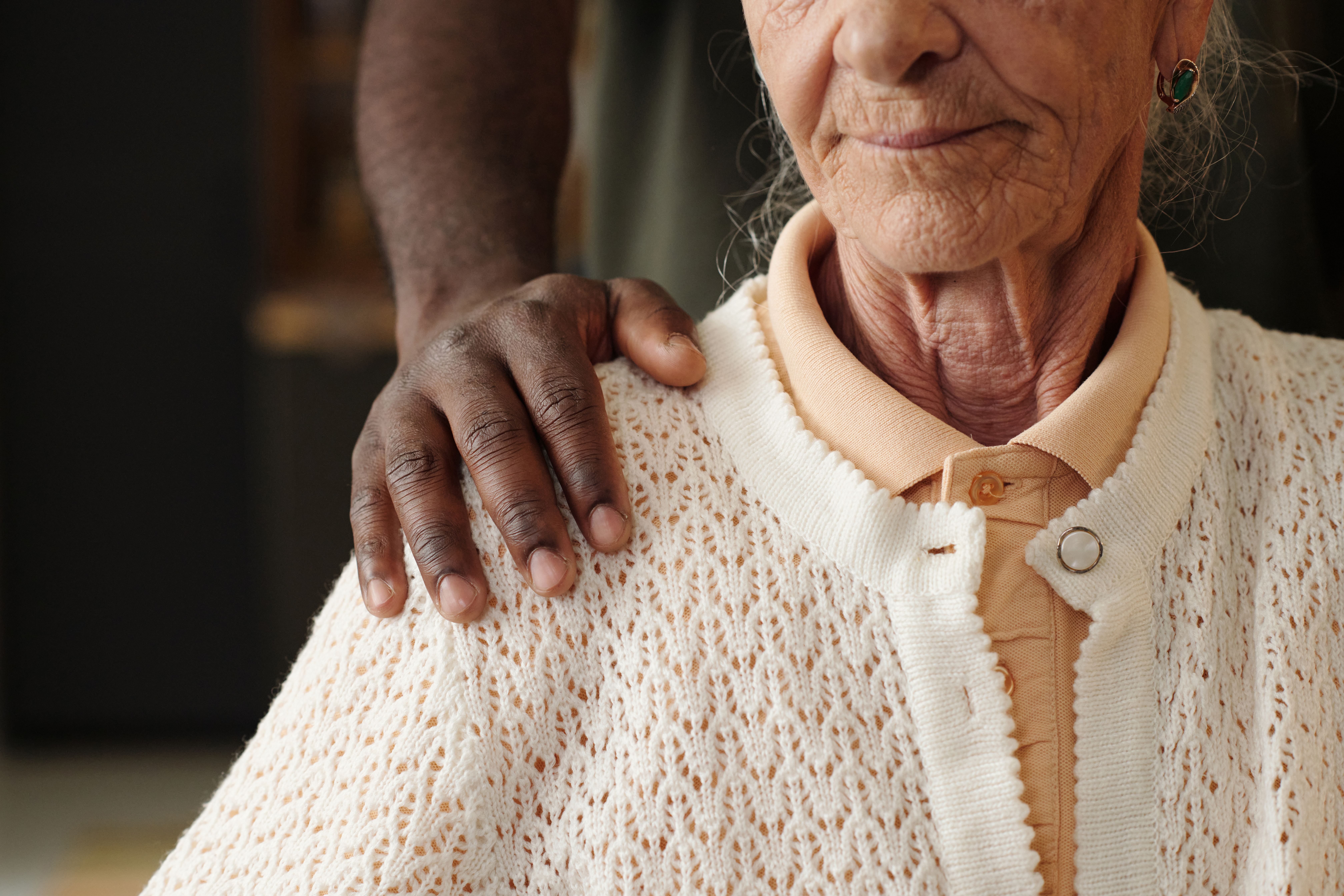
Crafting bespoke care plans ensures that each individual’s needs are met, promoting person-centred care. These plans are essential for quality home care.
Crafting Nurse-Led Care Plans
Nurse-led care plans are the backbone of effective home care. Designed by registered nurses, these plans consider every aspect of patient care. They ensure that all medical, emotional, and social needs are addressed, offering a holistic approach to care.
With a focus on person-centred care, these plans empower patients and families. By involving them in decision-making, you foster a sense of ownership and partnership. This collaborative approach challenges the idea that care decisions are solely in the hands of professionals.
Ongoing Supervision and Reviews
Regular supervision is key to maintaining high care standards. By continuously reviewing care plans and caregiver performance, you ensure that care remains consistent and effective. These reviews identify potential risks early, allowing for timely interventions.
Supervision also supports caregivers, providing them with guidance and feedback. This ongoing support enhances their confidence and competence. Contrary to the belief that supervision is about oversight, it’s a supportive tool that elevates care quality.
Meeting Domiciliary Care Standards
Adhering to domiciliary care standards is crucial for compliance and quality assurance. By aligning care practices with these standards, you ensure that all regulatory requirements are met, safeguarding both patients and caregivers.
These standards provide a framework for best practices, promoting a culture of excellence. Meeting them not only enhances care quality but also boosts the agency’s reputation. While some may view standards as restrictive, they are essential for delivering safe and effective home care.
By focusing on clear clinical guidance, comprehensive training, and bespoke care plans, you can transform home care from a source of uncertainty to a foundation of confidence and trust.