
How nurse-led training boosts confidence in home-based care
Most home-based care struggles start with confidence and competence gaps. When staff feel unsure, care quality and safety can suffer. Nurse-led training offers clear, practical guidance to build skills and trust in domiciliary care teams. In this post, you’ll see how Enfermera Clinical’s nurse-led approach raises standards and supports everyone involved in home care. For more insights, visit Enfermera Clinical’s blog.
Nurse-Led Training in Home Care
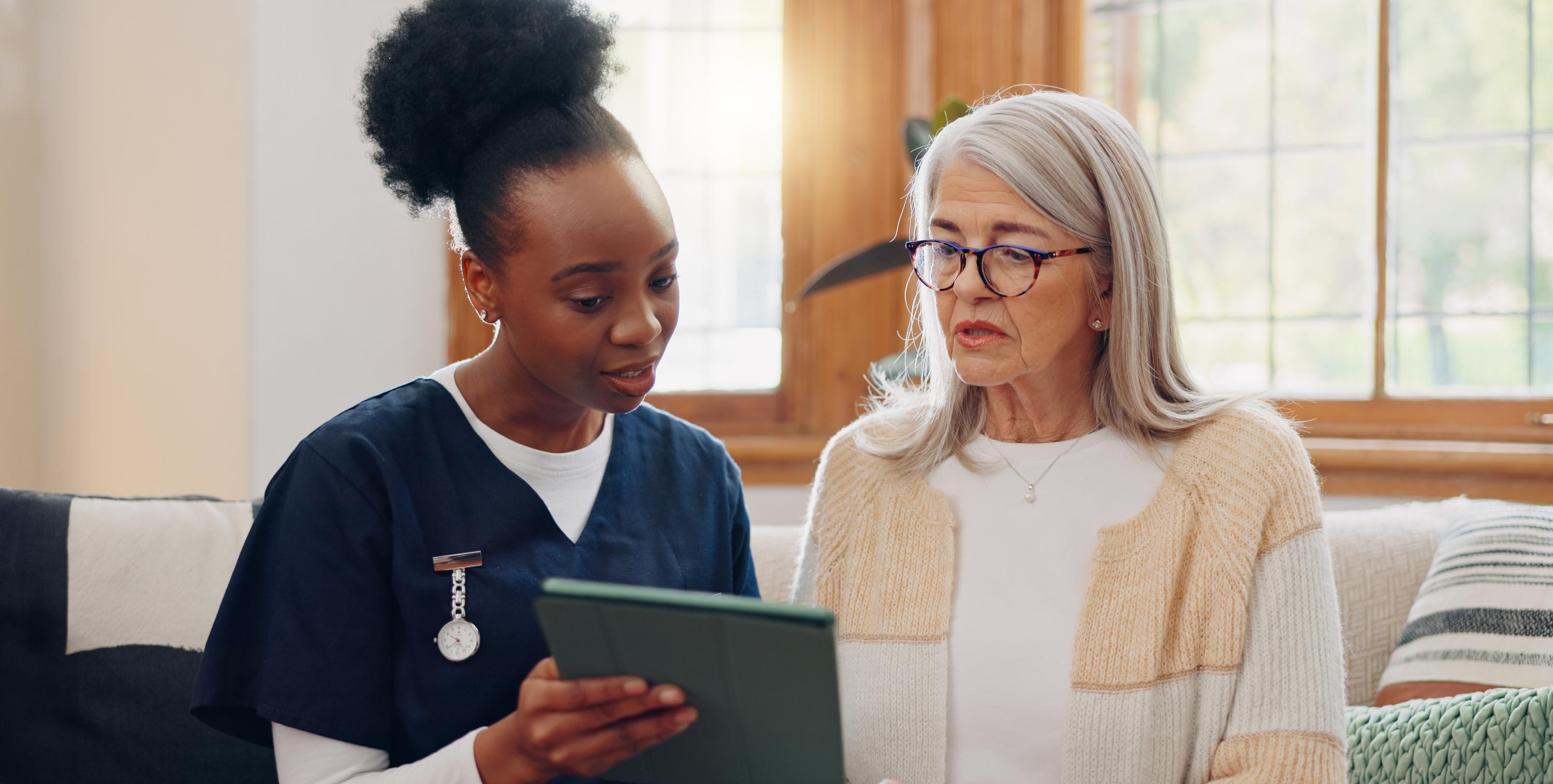
Nurse-led training is transforming the landscape of home-based care, offering a sense of assurance to caregivers and families alike. This approach bridges the divide that often exists between clinical standards and everyday home care practices.
Building Confidence for Caregivers
Confidence is key for caregivers, and nothing builds it like nurse-led training. When caregivers know they are supported by qualified nurses, they feel empowered to deliver high-quality care. Imagine a caregiver who previously felt uncertain about handling certain tasks but now, after receiving structured guidance and reassurance from experts, feels ready to tackle challenges head-on.
Training programs guided by nurses help caregivers master the essentials. They learn practical techniques and gain a deeper understanding of patient needs. This not only enhances their job satisfaction but also improves the overall experience for those receiving care. As caregivers become more skilled, they contribute to a safer, more effective care environment.
By focusing on confidence, nurse-led training sets a strong foundation for caregivers to thrive. They are more likely to stay in their roles, reducing turnover and enhancing continuity of care. For more insights, visit this LinkedIn post on building caregiver confidence.
Enhancing Skills with Competency Assessment
Competency assessments are a vital part of ensuring caregivers are equipped with the necessary skills. These assessments, led by experienced nurses, provide a clear picture of a caregiver’s abilities. Through this process, caregivers receive targeted feedback and training to address any gaps.
Consider a scenario where a caregiver is uncertain about medication administration. Through nurse-led competency assessments, they receive focused training, practice under supervision, and build their competence. This approach not only boosts their confidence but also ensures safe practice, ultimately leading to better patient outcomes.
Enfermera Clinical offers comprehensive competency assessments that help caregivers meet clinical standards. This structured approach is essential for maintaining a high level of care quality and compliance. By investing in competency assessments, caregivers not only improve their skills but also enhance their career prospects. Learn more about the importance of competency in care in this article.
Adhering to the NMC Code
The NMC Code is the backbone of nursing practice, ensuring that care is delivered safely and ethically. Nurse-led training emphasizes the importance of adhering to this code, ensuring caregivers understand and implement its principles in their daily practice.
Training programs incorporate the NMC Code into every aspect of learning, from patient interactions to clinical procedures. This focus on ethical standards fosters a culture of accountability and trust. Caregivers are encouraged to reflect on their practice, recognize areas for improvement, and continuously strive for excellence.
Understanding the NMC Code is crucial for caregivers, as it guides their professional conduct and decision-making. By integrating these standards into training, Enfermera Clinical ensures that caregivers are not only competent but also ethical and compassionate in their care delivery.
Bespoke Care Plans for Individual Needs

Bespoke care plans are essential in tailoring care to meet the unique needs of each individual. These plans are designed to ensure that care is both effective and person-centred, enhancing the overall quality of life for patients.
Tailored Care Planning at Home
Home care should never be one-size-fits-all. With tailored care planning, each patient receives a plan designed just for them. This approach considers their personal preferences, medical needs, and lifestyle. For instance, a patient with diabetes might require specific dietary plans and medication schedules.
By focusing on individual needs, caregivers can provide care that is not only effective but also respectful and compassionate. This patient-centred approach reduces the risk of complications and improves patient satisfaction. Care plans are regularly reviewed and updated, ensuring they evolve with the patient’s changing needs.
Tailored care planning is a collaborative process involving patients, families, and healthcare professionals. This teamwork ensures that care is holistic and comprehensive. For more on the importance of personalized care, see this ScienceDirect article.
Ensuring Care Quality Compliance
Compliance with care quality standards is non-negotiable in home-based care. Bespoke care plans ensure that all care practices align with regulatory requirements. This compliance is vital for the safety and well-being of both patients and caregivers.
Care plans are crafted with a keen eye on industry standards, incorporating the latest guidelines and best practices. This attention to detail ensures that all aspects of care delivery meet the necessary benchmarks. Regular audits and feedback loops help maintain these high standards, fostering a culture of continuous improvement.
Enfermera Clinical takes compliance seriously, ensuring that every care plan is both robust and flexible enough to adapt to new regulations. By prioritizing compliance, caregivers can focus on delivering high-quality care with confidence. Understanding the importance of compliance is crucial, as highlighted in this NCBI article.
Person-Centred Care Approaches
Person-centred care is at the heart of bespoke care plans. This approach places the patient at the centre of their care journey, respecting their choices and preferences. By prioritizing the patient’s voice, caregivers foster trust and improve care outcomes.
In person-centred care, patients are active participants in their care planning. They work with their caregivers to set goals, make decisions, and evaluate outcomes. This collaborative approach empowers patients and enhances their autonomy.
By adopting person-centred care approaches, Enfermera Clinical ensures that every patient feels valued and heard. This focus on individual needs not only improves patient satisfaction but also leads to better health outcomes. For more insights into person-centred care, explore Enfermera Clinical’s blog post.
Specialist Training for Complex Care
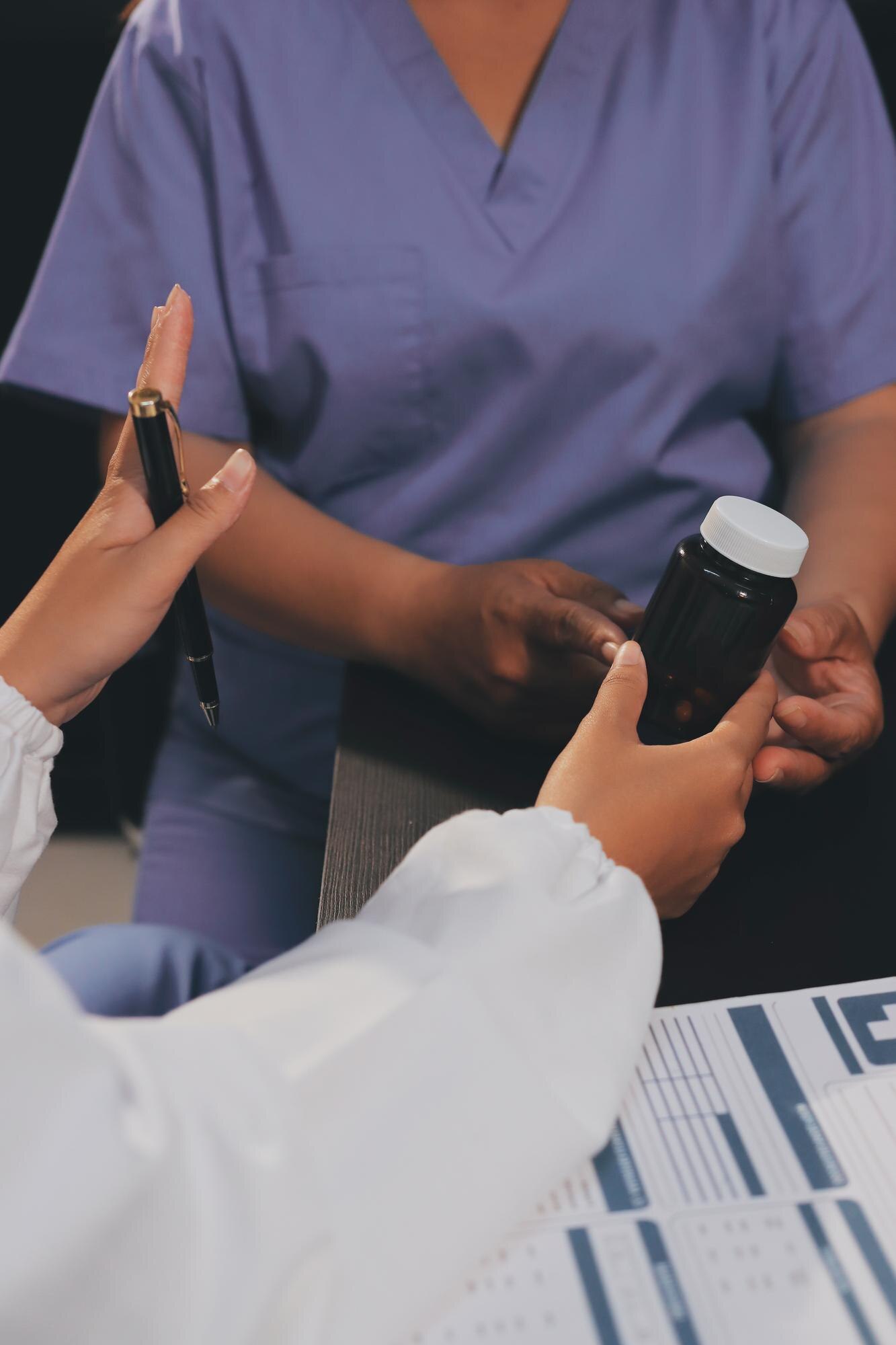
Complex care scenarios require specialized training to ensure caregivers can handle unique challenges confidently. Enfermera Clinical offers targeted programs to equip caregivers with the skills needed for complex care situations.
Tracheostomy and Diabetes Management Training UK
Managing complex medical conditions like tracheostomies and diabetes requires specialized knowledge and skills. Nurse-led training provides caregivers with the tools they need to care for patients with these conditions safely.
Through hands-on training, caregivers learn how to handle tracheostomy care, including routine maintenance and emergency interventions. They also gain insights into diabetes management, such as monitoring blood glucose levels and administering insulin.
This comprehensive training ensures caregivers are well-prepared to manage these conditions, reducing the risk of complications and improving patient safety. For more on complex care training, see Enfermera Clinical’s Manchester home care training.
Safeguarding in Home Care
Safeguarding is a critical aspect of home care, ensuring that patients are protected from harm and abuse. Nurse-led training emphasizes the importance of safeguarding practices, equipping caregivers with the knowledge to identify and respond to potential risks.
Caregivers learn to recognize signs of abuse, neglect, and exploitation. They are also trained in reporting procedures and how to take appropriate action to protect vulnerable patients. This focus on safeguarding fosters a culture of safety and trust within the home care environment.
By prioritizing safeguarding, Enfermera Clinical ensures that caregivers are prepared to handle complex situations with confidence and care. This commitment to safety is essential for maintaining high standards of care quality and compliance. For more on safeguarding, see this NCBI article.
Nurse-Led Supervision and Skills Sign-Off
Ongoing supervision and skills sign-off are crucial for maintaining high standards in home care. Nurse-led supervision ensures caregivers receive regular feedback and support, helping them refine their skills and address any areas for improvement.
Through skills sign-off, caregivers demonstrate their competency in specific tasks, ensuring they meet clinical standards. This process provides them with the confidence to deliver care safely and effectively. Regular supervision also helps identify training needs, ensuring caregivers continue to grow and develop in their roles.
Enfermera Clinical’s nurse-led supervision fosters a supportive environment where caregivers can thrive. This focus on continuous improvement enhances care quality and ensures that both patients and caregivers feel safe and supported. For more on the importance of supervision in care, explore Enfermera Clinical’s blog post.