
Integrating Mental Health Training into Home Care: A Nurse‑Led Blueprint for Safer, Person‑Centred Support
Mental health challenges shape countless home care stories daily, yet many carers lack the training to respond effectively. Without nurse-led mental health training, risks rise and person-centred care falls short. This blueprint from Enfermera Clinical shows how targeted training and care plans can improve safety, compliance and outcomes for your team and clients. Read on to see how your home care service can build trust and confidence through expert-led support. [https://www.regencyhcs.com/blog/the-importance-of-mental-health-services-in-home-care]
The Importance of Mental Health Training
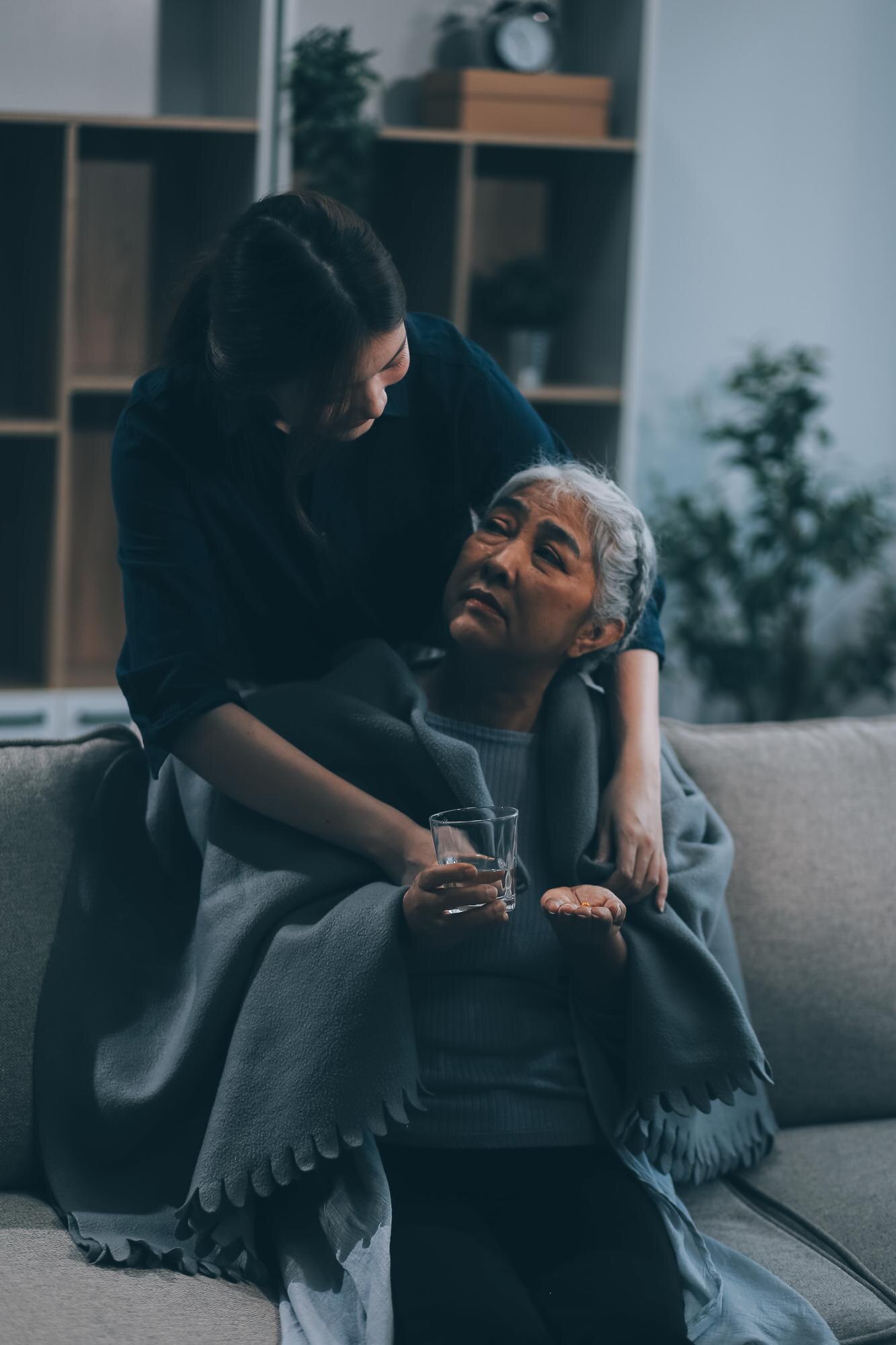
In home care, understanding mental health is crucial. It impacts carers’ ability to provide safe, effective support. Let’s explore why honing these skills is essential.
Why Mental Health Competencies Matter
Mental health skills are vital for carers. These skills ensure they can identify and respond to emotional health needs. This reduces risks and enhances the quality of care provided.
Imagine a carer spotting early signs of stress in their client. They can take steps to help, preventing escalation. This proactive approach not only safeguards the client’s wellbeing but also fosters a trusting relationship.
Training in mental health equips carers with the tools to handle complex situations. They learn to manage anxiety, depression, and behavioural changes. With these competencies, carers can provide a safe and supportive environment.
Without proper training, carers may feel overwhelmed. This can lead to burnout and ineffective care. However, with the right skills, they can handle challenges confidently. Studies have shown that trained carers deliver better outcomes. For more details, check out this study.
Benefits of Nurse-Led Training
Nurse-led training offers a unique advantage. Nurses bring clinical expertise and practical insights to the table. This combination ensures comprehensive learning for carers.
Firstly, nurse-led programmes are tailored to meet specific needs. They cover a wide range of topics, from basic mental health awareness to advanced interventions. This ensures carers receive relevant and practical knowledge.
Moreover, these programmes are hands-on. Carers learn through real-world scenarios, which makes the training more effective. They gain confidence in their abilities, knowing they’ve practised these skills in a safe environment.
Nurse-led training also focuses on continuous improvement. Regular assessments help carers stay updated with the latest practices. This ongoing support ensures carers maintain high standards. It’s a win-win situation: carers feel empowered, and clients receive exemplary care.
Person-Centred Care Planning
Person-centred care is at the heart of effective home care. It involves tailoring support to the unique needs of each client. This approach fosters trust and improves outcomes.
In person-centred care, carers work closely with clients and their families. They create care plans that reflect personal preferences and goals. This collaborative process ensures that care is not only effective but also respectful of individual choices.
A key element of person-centred care is flexibility. Carers adapt plans as needs change. This dynamic approach ensures clients receive the right support at the right time.
Furthermore, person-centred care promotes independence. Carers empower clients to make decisions about their care. This involvement boosts confidence and enhances the quality of life. For a deeper dive into person-centred planning, explore this resource.
Implementing Nurse-Led Training in Home Care

Transitioning to nurse-led training involves several steps. Let’s delve into how these programmes are structured and delivered.
Key Components of the Programme
A well-structured programme has several essential elements. Firstly, it begins with a needs assessment. This identifies the specific skills carers need to develop.
Next, the programme includes a mix of theoretical and practical training. Carers engage in workshops, simulations, and role-playing exercises. These activities enhance learning by providing hands-on experience.
Moreover, the programme offers regular feedback. Carers receive constructive insights that help them improve. This feedback loop fosters continuous growth and skill refinement.
Finally, the programme includes ongoing support. Carers have access to resources and expert guidance. This ensures they can apply their learning effectively in real-world situations. For insights on mental health support in home care, visit this link.
Training Methods and Options
Training can be delivered in various formats. On-site workshops provide direct interaction with trainers. This face-to-face engagement enhances understanding and retention.
Online modules offer flexibility. Carers can learn at their own pace, revisiting modules as needed. This self-directed approach suits busy schedules and different learning styles.
Blended learning combines both methods. It offers the best of both worlds: the personal touch of in-person training and the convenience of online modules. This hybrid approach caters to diverse needs and preferences.
Ensuring CQC Compliance
Compliance with the Care Quality Commission (CQC) is a priority. Nurse-led training ensures carers meet these standards, providing safe and effective care.
The programme covers essential compliance topics. This includes safeguarding, Mental Capacity Act training, and risk assessment. Carers learn how to apply these principles in their daily practice.
Regular assessments validate carers’ competencies. This not only boosts confidence but also assures clients of the high standards maintained. Adhering to CQC guidelines safeguards both carers and clients.
Empowering Carers and Families
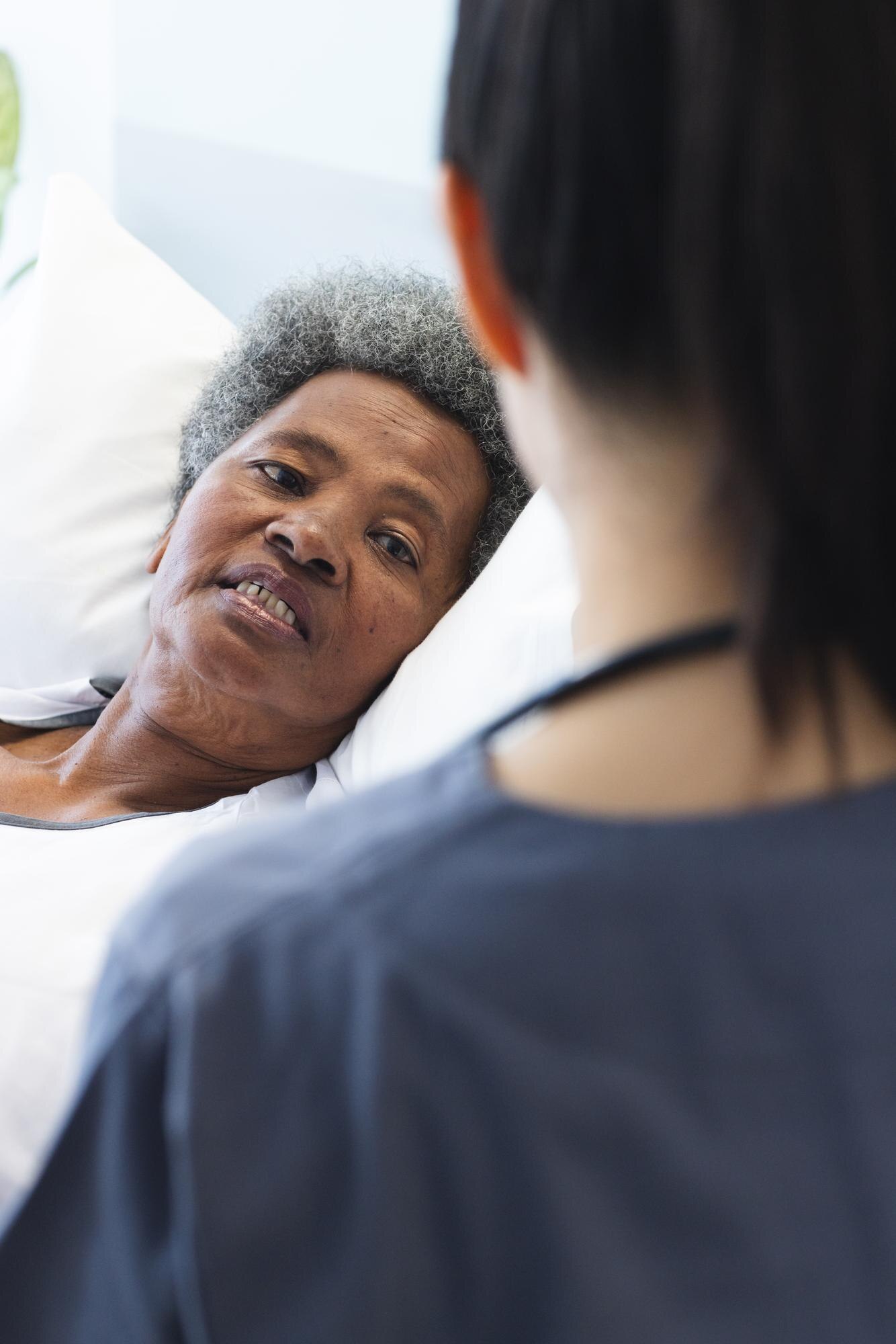
Empowerment is a powerful tool in home care. It enhances carers’ effectiveness and supports families. Let’s explore how this empowerment unfolds.
Building Carer Wellbeing and Resilience
Wellbeing is crucial for carers. A healthy carer is more effective and provides better support. Nurse-led training promotes wellbeing through various strategies.
Firstly, it addresses stress management. Carers learn techniques to manage work-related pressures. This includes mindfulness exercises and relaxation techniques. By managing stress, carers maintain a positive outlook and avoid burnout.
Additionally, the programme emphasises self-care. Carers are encouraged to prioritise their health and wellbeing. This includes regular breaks, healthy eating, and exercise. A well-cared-for carer is resilient and capable of providing exceptional support.
Effective Communication and De-escalation
Communication is a key skill for carers. It ensures understanding and builds rapport with clients. Nurse-led training enhances communication skills through practical exercises.
Carers learn to listen actively and respond empathetically. They practise de-escalation techniques to handle challenging situations. This includes recognising triggers and implementing calming strategies.
Effective communication fosters trust and cooperation. It ensures clients feel heard and respected, improving the overall care experience. For more on incorporating behavioural health in home care, check this blog.
Tailored Support for Families
Families play a crucial role in home care. Nurse-led training provides tailored support to help them navigate this journey.
Firstly, families receive education on mental health. This equips them with the knowledge to support their loved ones effectively. They learn about common conditions, treatment options, and coping strategies.
Additionally, the programme offers guidance on care planning. Families work with carers to develop personalised care plans. This collaboration ensures care aligns with the client’s preferences and goals.
Support groups provide a platform for shared experiences. Families connect with others facing similar challenges, offering mutual support and encouragement. This community fosters resilience and understanding.
In conclusion, integrating mental health training into home care provides numerous benefits. It empowers carers, supports families, and ensures clients receive exceptional care. With nurse-led expertise, home care becomes a safe, supportive, and enriching experience for all involved.