
Nurse-led care plans for home care: what they include and why they matter
Nurse-led care plans are the backbone of safe, person-centred home care. Too often, care plans miss crucial details that put clients at risk or leave carers unsure of their role. A well-crafted nurse-led care plan brings clarity, ensuring every risk, medication need, and observation is covered with precision. In this post, you’ll learn what these plans include and why they make all the difference in home care across Manchester and the UK. Read more here.
Core Elements of Nurse-Led Care Plans

Understanding the core elements of a nurse-led care plan can make a significant impact on home care quality. These plans ensure every detail is covered, reducing risks and enhancing safety.
Key Components and Their Importance
A nurse-led care plan involves several key components that provide structure and consistency. First, it includes a detailed assessment of the client’s health status. This assessment helps identify specific needs, ensuring that care is tailored to each individual. Next, the plan outlines clear goals and interventions. These goals should be realistic and achievable, guiding caregivers in their daily tasks. Finally, regular reviews and updates are crucial. As the client’s condition changes, the plan should adapt to meet new challenges. This flexibility ensures ongoing relevance and effectiveness.
Risk Assessment and Medication Management
Risk assessment is a critical part of any care plan. It identifies potential hazards, from falls to medication errors, allowing proactive measures to be put in place. For instance, a thorough assessment might reveal a fall risk, prompting the introduction of mobility aids. Medication management is equally important. Accurate documentation of medications, dosages, and schedules is essential. This not only reduces the risk of errors but also ensures that clients receive the correct treatment at the right time.
Observation and Escalation Frameworks
A robust observation framework allows caregivers to monitor clients effectively. By keeping track of vital signs and symptoms, caregivers can quickly identify any changes in health. This early detection is crucial for timely intervention. An escalation plan is also necessary. It provides clear instructions on when and how to seek additional medical support, ensuring that emergencies are handled promptly and professionally.
Enhancing Outcomes Through Nurse Leadership
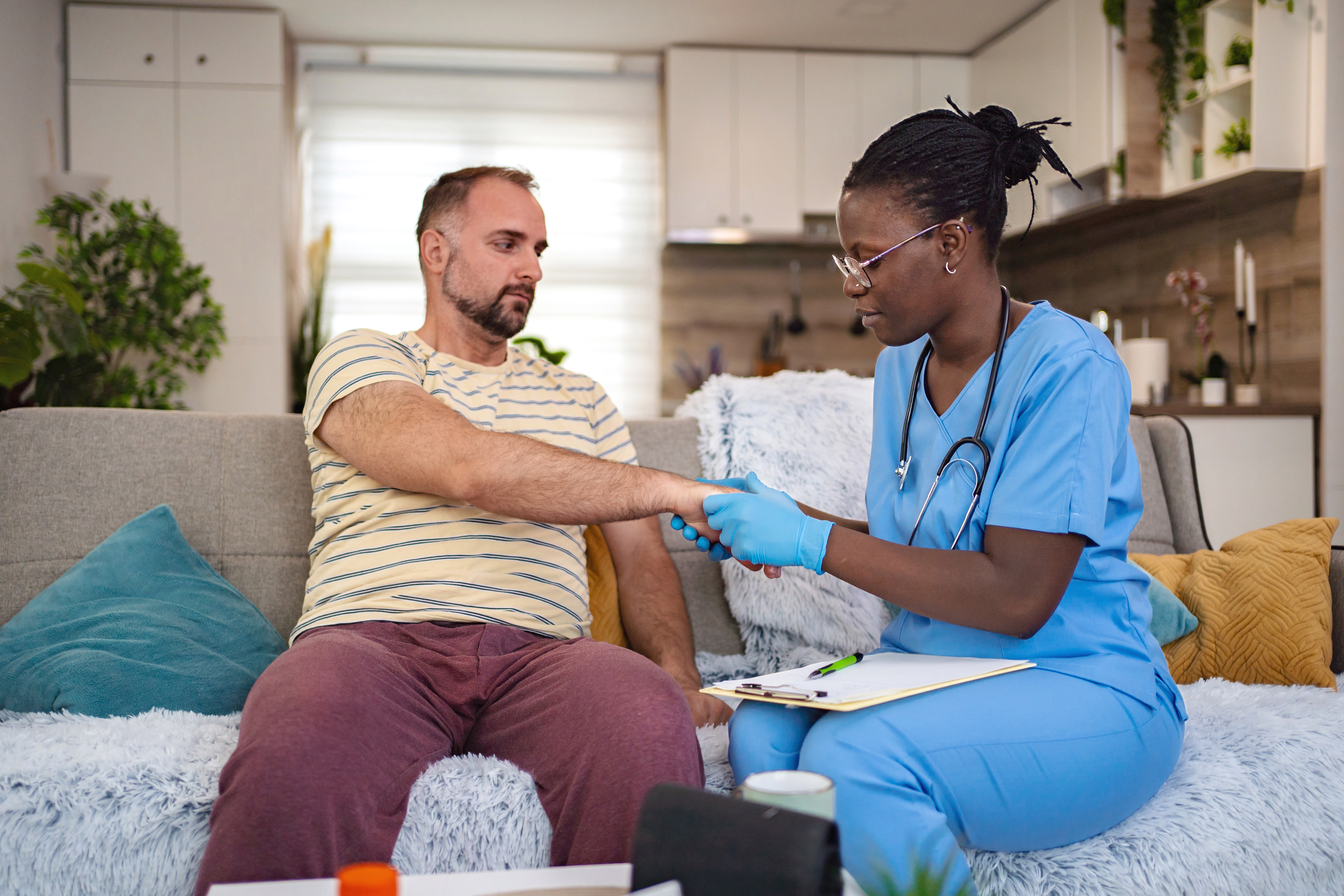
Nurse leadership plays a vital role in improving care outcomes. By fostering a culture of safety and compliance, nurses ensure that care delivery meets the highest standards.
Importance of Compliance and Safety
Compliance with regulatory standards is non-negotiable. It ensures that care practices are aligned with national guidelines, safeguarding both clients and caregivers. Safety protocols, such as those outlined by the NMC Code, are central to this compliance. They provide a framework for consistent, high-quality care. When caregivers follow these guidelines, they can deliver care confidently and competently, knowing they are meeting required standards.
Role of Clinical Governance in Home Care
Clinical governance is the backbone of quality care delivery. It involves setting standards, monitoring performance, and implementing improvements. In home care, this approach ensures that every aspect of care is scrutinised and refined. Regular audits and feedback loops are part of this process. They help identify areas for improvement, driving continuous enhancement of care quality. Explore more on this topic.
Empowering Through Delegation and Supervision
Effective delegation and supervision empower caregivers, helping them grow professionally. By assigning tasks according to skill levels, nurses ensure that each team member works within their competence. Supervision provides support and guidance, particularly for less experienced staff. This oversight not only boosts confidence but also promotes safe and effective care delivery. When caregivers feel supported, they are more likely to deliver high-quality care.
Tailored Training and Competency Assessments
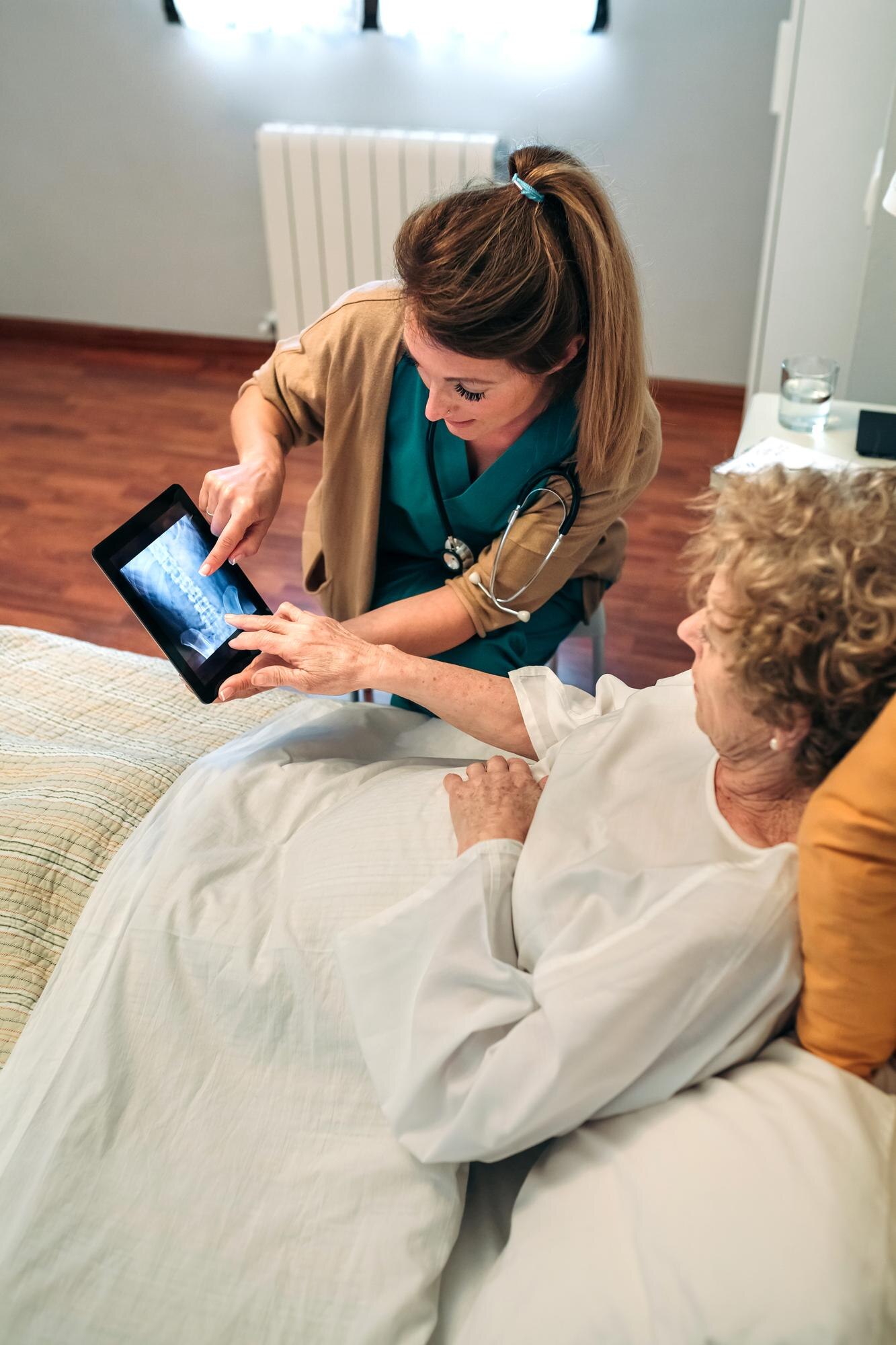
Training and competency assessments are essential for caregiver development. They equip caregivers with the skills needed to deliver safe, person-centred care.
PA and HCA Training Essentials
Training for personal and healthcare assistants (PAs and HCAs) covers a range of essential topics. Basic life support, moving and handling, and infection control are foundational skills. These courses ensure that caregivers can respond to common challenges effectively. Additionally, safeguarding training provides knowledge on protecting vulnerable clients. Understanding the Mental Capacity Act (MCA) is also crucial, ensuring that clients’ rights are respected in care decisions.
Clinical Skills Training: PEG, Tracheostomy, Catheter
Clinical skills training covers more specialised areas like PEG feeding, tracheostomy care, and catheter management. These skills are vital for clients with complex needs. Training in these areas ensures that caregivers can perform procedures safely and confidently. Regular competency assessments provide assurance that skills remain sharp. This ongoing validation is key to maintaining high care standards. For an in-depth exploration of these training needs, click here.
Record-Keeping and Documentation Standards
Accurate record-keeping is an essential part of care delivery. It provides a clear history of the client’s health and care interventions. Proper documentation ensures that all team members have access to the same information, reducing the risk of errors. It also supports compliance with regulatory requirements, providing evidence of care provided. By adhering to documentation standards, caregivers contribute to consistent, high-quality care.
In conclusion, nurse-led care plans and training are crucial for delivering effective home care. By following these structured components, caregivers can provide safe, person-centred support that meets both client needs and regulatory standards.