
Nurse-led mental health support in home care: Approaches and benefits
Mental health support in home care UK often lacks the nurse-led clarity that ensures safety and compassion. You know the challenges of delivering person-centred care at home when complex needs arise. This post explains how nurse-led home care models bring focused training, competency assessments for PAs, and bespoke care plans that meet NMC Code and NICE guidance. Read on to see how Enfermera Clinical supports your team with trusted supervision and tailored solutions. Book your free discovery call today. Learn more about integrating mental health support into home-based care.
Nurse-Led Home Care: An Overview

Understanding how nurse-led home care operates provides a foundation for improved mental health support. This approach ensures your team delivers care with clarity and compassion.
Importance of Mental Health in Home Care
Mental health is crucial in home care, impacting both clients and caregivers. When mental health is prioritised, everyone benefits. Studies show that 20% of home care clients experience mental health challenges. This can affect their overall well-being and care outcomes. Learn more about the importance of mental health services in home care.
Addressing these needs in the home setting offers unique advantages. Clients feel more comfortable in their own space, which can lead to better engagement and outcomes. As a caregiver, you have the opportunity to observe their daily environment, gaining valuable insights into their mental health.
Role of Nurses in Domiciliary Care
Nurses play a vital role in home care, bridging the gap between clinical expertise and personal support. They guide other caregivers, ensuring everyone is on the same page. With their skills, nurses can assess and adapt care plans to suit individual needs. This flexibility ensures that clients receive the most effective support.
Moreover, nurses are trained to identify early signs of mental health issues. Their presence in home care settings provides an extra layer of security and assurance. By leading through example, nurses help foster a culture of empathy and understanding within care teams.
Benefits of Nurse-Led Models
Nurse-led models offer numerous advantages. They ensure care is both safe and personalised. When nurses lead, you can trust that care standards are upheld. This model also promotes accountability. Nurses oversee training and assessments, ensuring every team member is equipped to deliver quality care.
Having a nurse-led approach means that care plans are backed by clinical knowledge and compassion. Your clients benefit from tailored support that respects their dignity and autonomy. As a result, families gain peace of mind knowing their loved ones are in capable hands.
Approaches to Mental Health Support
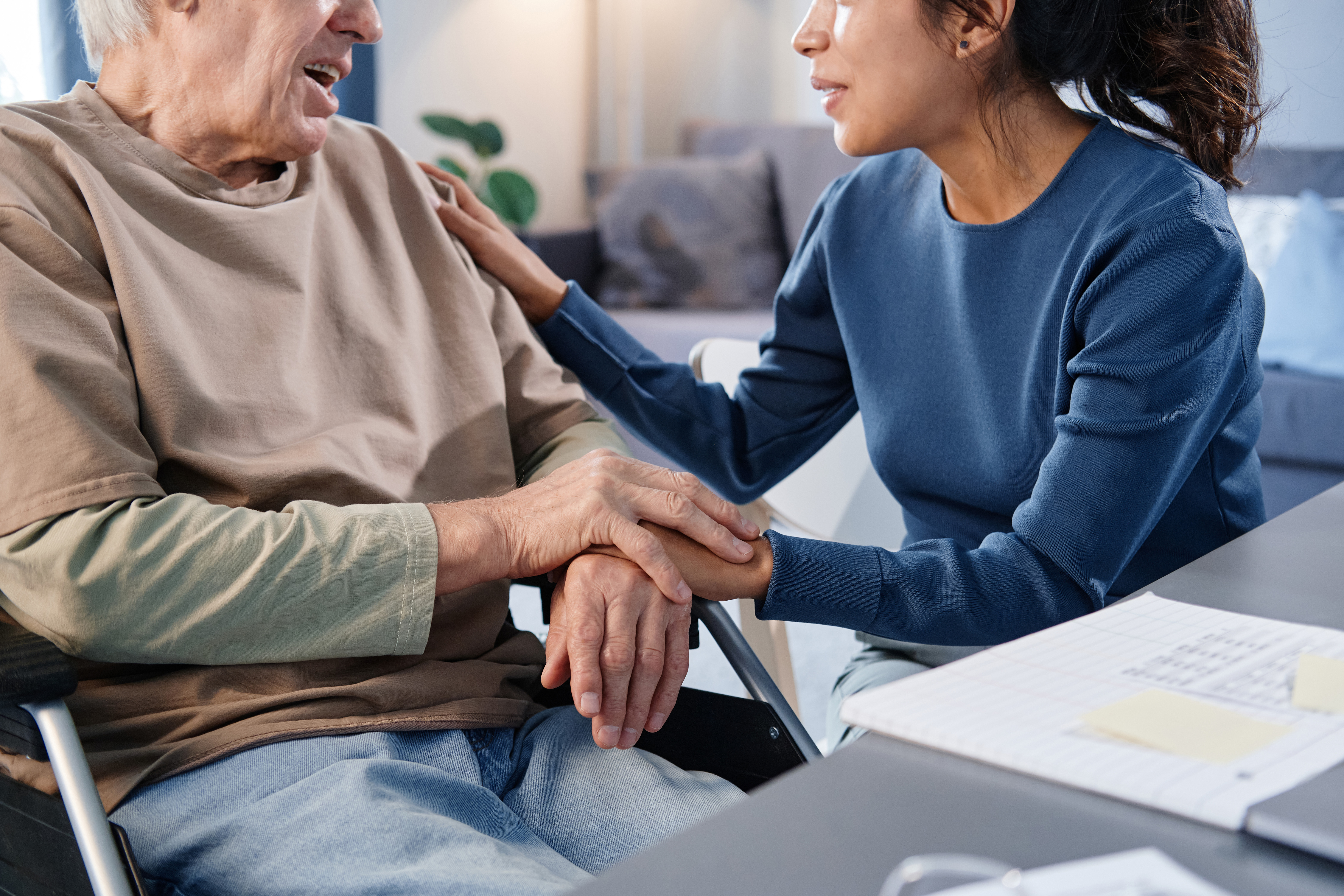
To enhance mental health support at home, adopting specific approaches is key. These methods ensure that your team is well-prepared to meet diverse needs.
Bespoke Care Plans and Assessments
Creating bespoke care plans begins with understanding individual needs. Each client is unique, and their care should reflect this. These plans are designed by nurses who assess the client’s mental and physical health. Discover how nurse-led care plans enhance home care.
Assessments conducted by nurses are thorough and ongoing. They provide insights into the client’s progress, helping adapt plans as needed. This dynamic approach ensures that care remains relevant and effective. By tailoring care, you respect your client’s preferences and promote their well-being.
HCA Training and Support in Manchester
In Manchester, training for healthcare assistants (HCAs) is crucial. Proper training empowers HCAs, enabling them to provide high-quality care. With targeted support, HCAs gain confidence in handling complex situations. This training covers vital areas like safeguarding and suicide risk awareness.
The benefit is twofold: clients receive attentive and knowledgeable care, while HCAs feel valued and supported in their roles. This nurturing environment fosters professional growth and enhances job satisfaction. As a result, care teams function more effectively, improving outcomes for everyone involved.
Trauma-Informed and Positive Behaviour Support
Trauma-informed care is a critical component of home care. It recognises the impact of past trauma on current behaviour. By integrating this approach, care teams can provide sensitive and responsive support. Learn more about trauma-informed care in home settings.
Positive behaviour support complements this by promoting constructive interactions. It focuses on understanding and reinforcing positive actions. This dual approach improves client engagement and reduces distress. By prioritising these strategies, your team can offer compassionate and respectful care.
Ensuring Quality and Compliance

Maintaining quality and compliance is essential in home care. It safeguards both clients and caregivers, ensuring standards are met consistently.
NMC Code and NICE-Guideline Aligned Training
Training aligned with the NMC Code and NICE guidelines ensures your team operates at the highest standard. This alignment guarantees that care is not only effective but also compliant with national frameworks. When nurses lead this training, they bring a wealth of experience and insight.
By adhering to these guidelines, your team demonstrates professionalism and commitment to quality care. Clients and families can trust that care is safe and reliable, enhancing the reputation of your service.
Competency Assessments for Personal Assistants
Competency assessments validate the skills of personal assistants. These assessments are crucial for maintaining high care standards. They provide reassurance to clients and families, ensuring that caregivers are capable and well-prepared.
Regular assessments conducted by nurses highlight areas for improvement and celebrate strengths. This continuous feedback loop fosters a culture of learning and development within your team. It ensures that every caregiver remains competent and confident in their role.
Ongoing Supervision and Carer Wellbeing
Ongoing supervision supports both care quality and caregiver wellbeing. Regular check-ins with nurses offer guidance and reassurance. By prioritising carer wellbeing, you prevent burnout and enhance job satisfaction.
Supervision also serves as a platform for addressing concerns and sharing successes. It creates a supportive environment where caregivers feel valued and heard. This holistic approach ensures that care delivery is consistent and compassionate.
By integrating these approaches, you elevate the standard of home care provided. Your team becomes equipped to handle complex cases with confidence and clarity. As you implement these strategies, remember that effective care begins with understanding and empathy.