
Nurse-led training for PAs and HCAs shapes the foundation of safe, person-centred home care. Without clear guidance on clinical skills, safeguarding, and professional standards, teams risk falling short of CQC compliance and the NMC Code. In this guide, you’ll find the essential elements that ensure your staff deliver confident, compassionate care—plus how Enfermera Clinical supports your journey with tailored training, competency assessments, and bespoke care plans. Ready to build a safe, compliant, and confident team? Contact Enfermera Clinical to map your competencies and create a bespoke, nurse-led training plan and assessment pathway. You can see more on this topic here.
Core Components of Nurse-Led Training
Ensuring PAs and HCAs provide safe and effective care starts with understanding key foundational principles. These components are designed to meet regulatory standards and boost confidence.
Understanding the NMC Code
The NMC Code serves as the backbone of professional nursing practice. It outlines the standards nurses and midwives must follow to ensure high-quality care. When you know these guidelines, you can align your work with ethical and professional standards. The NMC Code emphasizes patient-centred care, integrity, and continuous professional development. By incorporating these principles, you can maintain trust and deliver care that meets national standards. This understanding forms the basis for executing complex care tasks with confidence.
Safeguarding and Compliance Essentials
Safeguarding involves protecting individuals’ health, well-being, and rights. It’s crucial to understand your role in safeguarding adults and children, ensuring you can identify and respond to potential abuse or neglect. Compliance with legal and ethical standards is non-negotiable. Training covers policies and procedures that align with national guidelines. This knowledge safeguards the well-being of those in your care and ensures you act within the law. Mastery of these essentials significantly reduces risks and enhances patient safety.
Medication Management and Safety
Medication management is a critical area requiring precision and attention to detail. This involves understanding medication types, dosages, and administration routes. Proper management prevents errors and enhances patient outcomes. Safe medication practices include accurate documentation and understanding potential interactions. Training equips you with skills to handle medications responsibly, ensuring patient safety. By mastering these skills, you can deliver care that minimizes risks and maximizes therapeutic benefits.
Essential Skills for PAs and HCAs
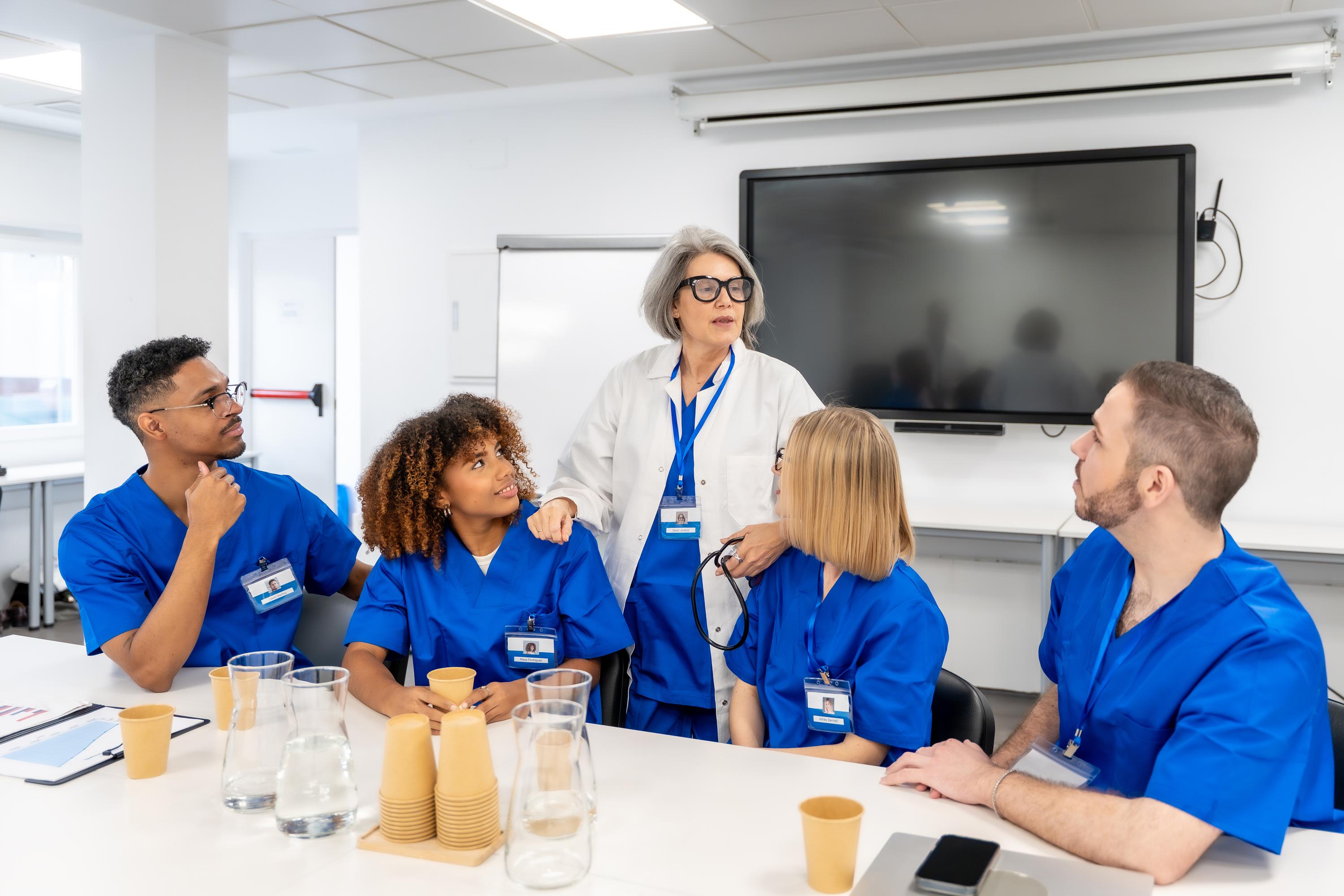
Beyond foundational knowledge, developing practical skills is vital for delivering high-quality care. These skills ensure you can respond effectively to diverse patient needs.
Communication and De-escalation Techniques
Effective communication is key to building trust with patients and their families. It involves active listening, clear articulation, and empathy. These skills help in understanding patient needs and delivering person-centred care. De-escalation techniques are equally important in managing conflicts or challenging situations. By using calming language and maintaining a composed demeanor, you can diffuse tension and ensure a safe environment. Mastery of communication and de-escalation enhances patient satisfaction and reduces stress.
Clinical Observation and Escalation Skills
Observation skills enable you to detect changes in a patient’s condition promptly. This involves monitoring vital signs, noting behavioural shifts, and recognising potential health issues. Escalation skills are crucial when a patient’s condition deteriorates. Knowing when and how to report changes ensures timely interventions. These skills are vital for preventing complications and ensuring patient safety. Training in clinical observation and escalation equips you with the confidence to act decisively.
Risk Assessment and Lone Working Safety
Risk assessment involves identifying potential hazards and evaluating their impact. This skill is essential for maintaining a safe environment for both patients and healthcare workers. Lone working safety focuses on strategies to stay safe when working alone. It includes understanding protocols, using communication tools, and ensuring access to emergency support. These skills are crucial in home care settings where you may work independently. By mastering risk assessment and lone working safety, you can minimize risks and enhance personal security.
Building Competency in Person-Centred Care
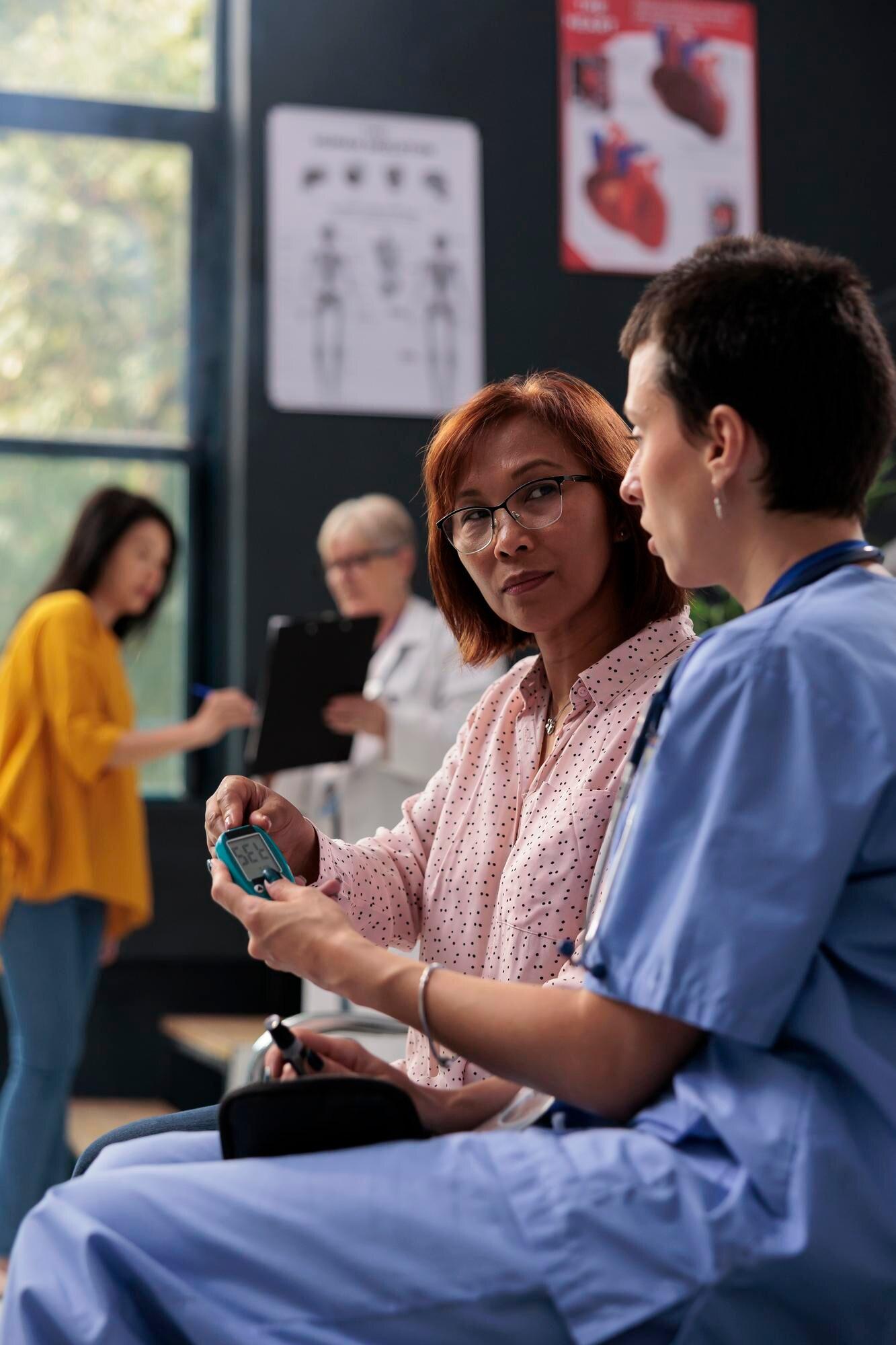
Developing competencies in person-centred care ensures you can meet individual patient needs effectively. These skills foster a compassionate and supportive care environment.
Personalised Care and Bespoke Care Plans
Personalised care focuses on tailoring care to meet individual patient needs. This involves understanding patient preferences, cultural backgrounds, and specific health conditions. Bespoke care plans are detailed documents outlining the care required for each patient. They guide your actions and ensure consistency in care delivery. By developing these competencies, you can provide care that respects individual choices and enhances well-being. Personalised care fosters strong patient-provider relationships and improves outcomes.
End of Life and Dementia Care
Providing care at the end of life requires sensitivity and understanding. This involves managing symptoms, providing emotional support, and respecting patient wishes. Dementia care focuses on understanding the unique needs of individuals with cognitive impairments. It involves creating a safe and supportive environment, using effective communication strategies, and managing challenging behaviours. Training in these areas equips you to provide compassionate care that maintains dignity and quality of life.
Ongoing Supervision and Reviews
Continuous supervision and regular reviews are essential for maintaining high standards of care. Supervision involves receiving guidance and feedback from experienced professionals. It helps in refining skills and addressing challenges. Regular reviews ensure care plans remain relevant and effective. They involve assessing patient progress, evaluating care outcomes, and making necessary adjustments. Ongoing supervision and reviews foster professional growth and ensure care delivery remains patient-centred.
Frequently Asked Questions
What is the importance of the NMC Code in nurse-led training?
The NMC Code sets professional standards for nurses, ensuring high-quality, ethical care. Understanding and following this code is crucial for maintaining trust and delivering care that meets national standards.
How does effective communication improve care delivery?
Effective communication builds trust with patients and their families, helps in understanding patient needs, and enables person-centred care. It reduces misunderstandings and enhances patient satisfaction.
Why are clinical observation skills important for PAs and HCAs?
Clinical observation skills allow healthcare assistants to detect changes in a patient’s condition promptly. This skill is vital for preventing complications and ensuring timely interventions.
What are bespoke care plans, and why are they important?
Bespoke care plans are detailed documents outlining the specific care required for each patient. They guide actions, ensure consistency in care delivery, and respect individual patient choices.
What role does ongoing supervision play in healthcare training?
Ongoing supervision provides guidance and feedback, helping healthcare assistants refine their skills. Regular reviews ensure care plans remain effective, fostering professional growth and maintaining high standards of care.