
Integrating clinical expertise into home care: the impact of nurse-led assessments and training
Nurse-led training isn’t just a buzzword—it’s a vital shift in home care Manchester. You want care that’s safe, compliant, and tailored to each individual’s needs. Nurse-led assessments and bespoke care plans build confidence for PAs, HCAs, and families managing complex care at home. This blog will show how clinical oversight boosts care quality and keeps you ahead of CQC and NMC Code requirements. Ready to strengthen your home care with nurse-led support? Contact Enfermera Clinical to book a no‑obligation consultation, schedule competency assessments, or arrange a tailored training package.
The Role of Nurse-Led Assessments
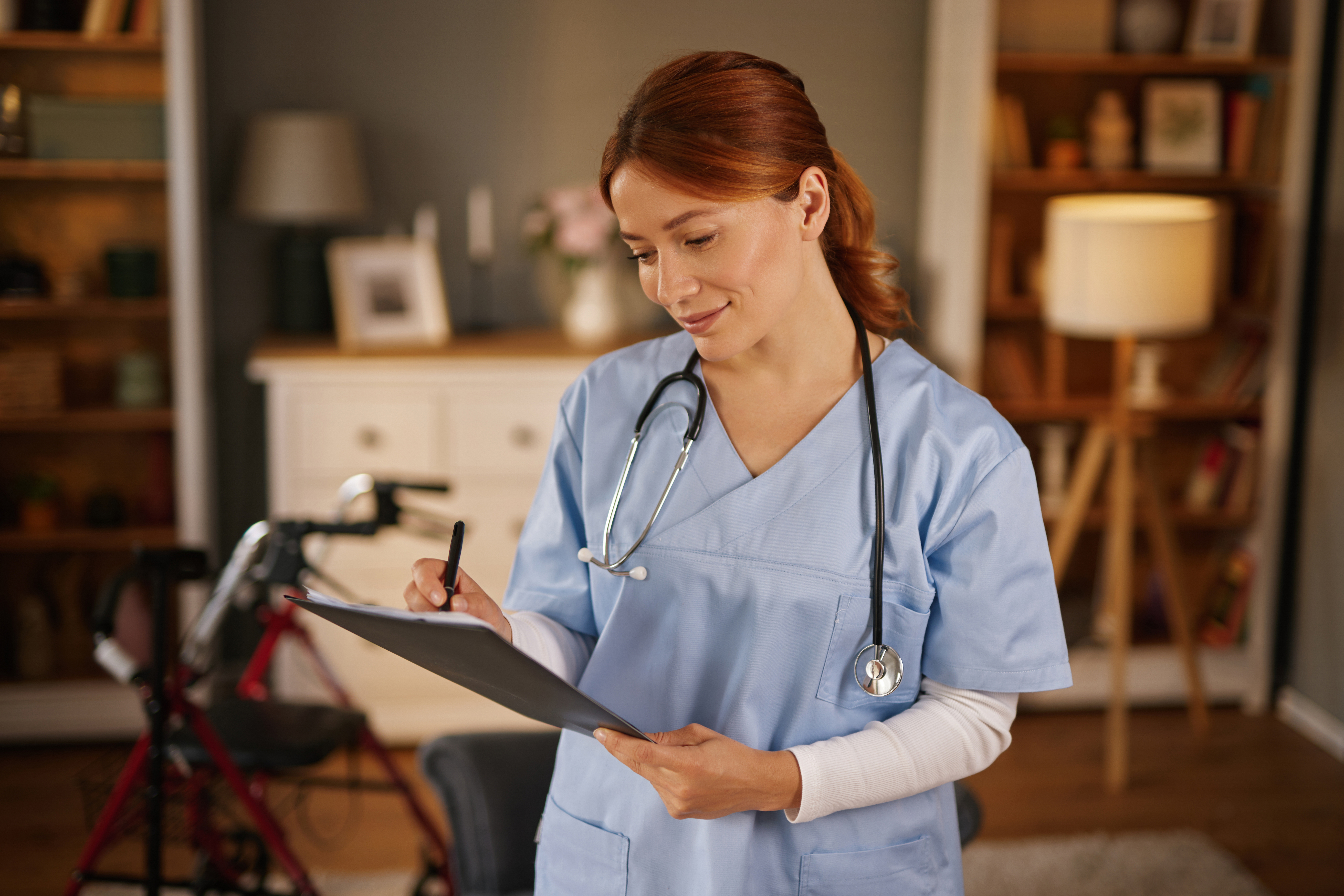
Nurse-led assessments are the cornerstone of quality home care, providing the insight needed to ensure safety and compliance while building confidence among those delivering care.
Ensuring Safety and Compliance
Safety and compliance are critical in home care. With nurse-led assessments, you get a comprehensive evaluation of each client’s needs. Registered nurses bring their expertise to identify potential risks early. For example, a nurse can spot the need for specific safety measures or adjustments in care plans to prevent falls. This proactive approach aligns with standards like the NMC Code and CQC requirements, ensuring your care delivery is always up to par.
Building Confidence in Home Care
Having confidence in home care is essential for both caregivers and families. Nurse-led assessments give you that assurance. When a nurse evaluates a client’s condition and creates a plan, it empowers PAs and HCAs to deliver care with certainty. Most people think caregivers need to figure it out alone, but with proper assessments, they have a reliable guide. This boosts morale and reduces the stress often associated with complex care situations.
Importance of Competency Assessments
Competency assessments are vital for maintaining care quality. These evaluations ensure that healthcare workers meet the necessary skills and knowledge levels. By having nurses conduct these assessments, you guarantee that your team is ready to handle various care scenarios. Evaluating skills like Basic Life Support or mental health training for carers ensures readiness for emergencies, giving peace of mind to families and agencies alike.
Comprehensive Training for Home Care
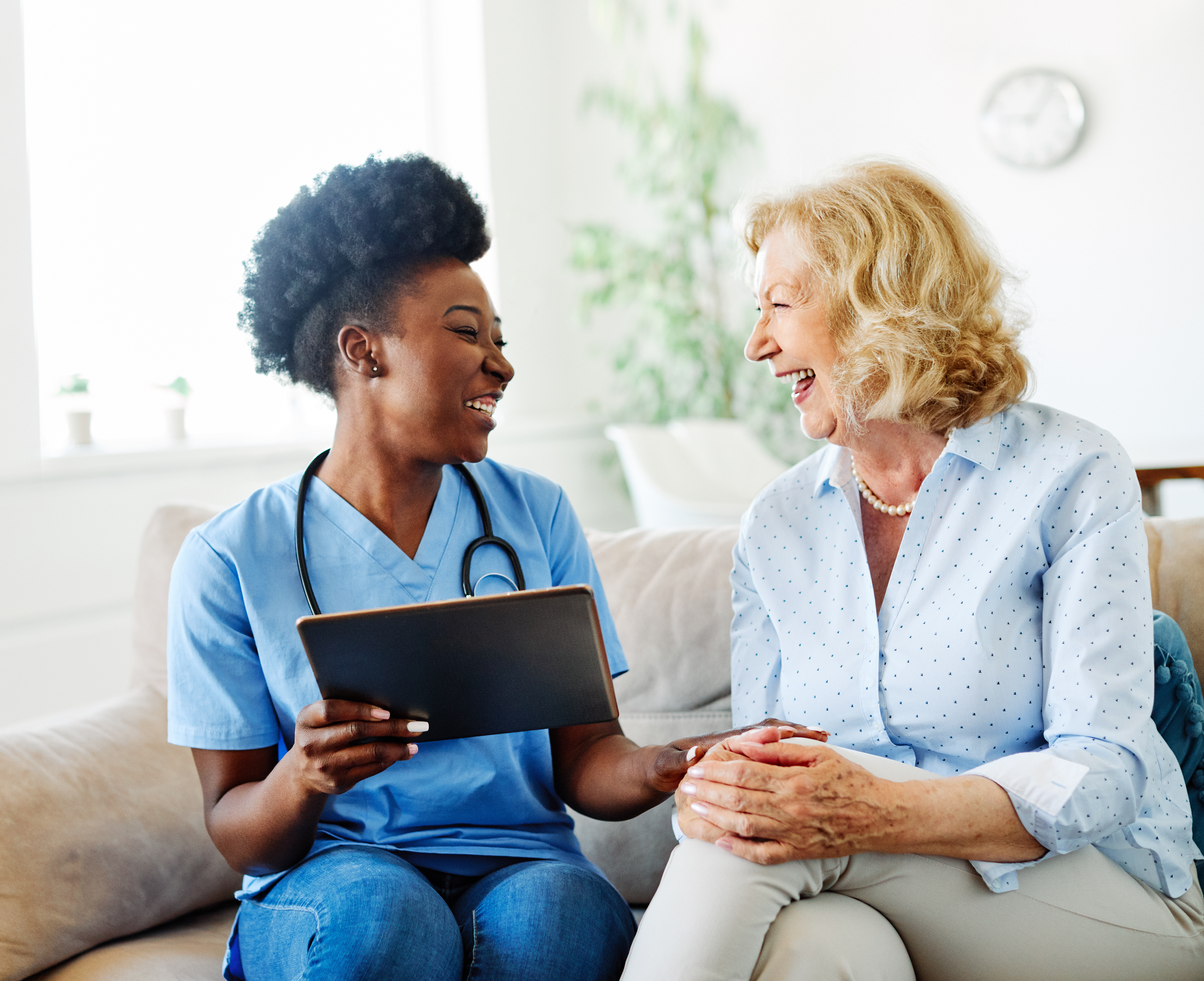
Training tailored to your needs can transform care delivery, offering benefits from person-centred approaches to compliance with essential standards.
Tailored Training Packages
Tailored training packages are designed to meet the specific needs of your care team. These packages include practical skills like tracheostomy care training and diabetes management training. By focusing on what your team needs most, you ensure that they are prepared for any situation. Training isn’t one-size-fits-all; it’s about addressing unique challenges faced in real homes. This flexibility can make a significant difference in care quality.
Benefits of Person-Centred Care
Person-centred care is more than a buzzword; it’s a philosophy that places the individual at the heart of care decisions. By adopting this approach, you see improvements in client satisfaction and outcomes. Tailored care plans ensure that each client’s preferences, needs, and values are respected and met. This approach not only enhances the client’s quality of life but also empowers caregivers to engage more meaningfully, leading to better job satisfaction and reduced turnover.
NMC Code and CQC Compliance
Compliance with the NMC Code and CQC standards is non-negotiable in home care. Training focused on these areas ensures that your team understands and adheres to professional standards. This compliance isn’t just about meeting legal requirements; it’s about delivering care that respects and protects clients. When your team is well-versed in the code and standards, they are better equipped to provide safe and effective care, which builds trust with clients and families.
Enhancing Care with Expertise
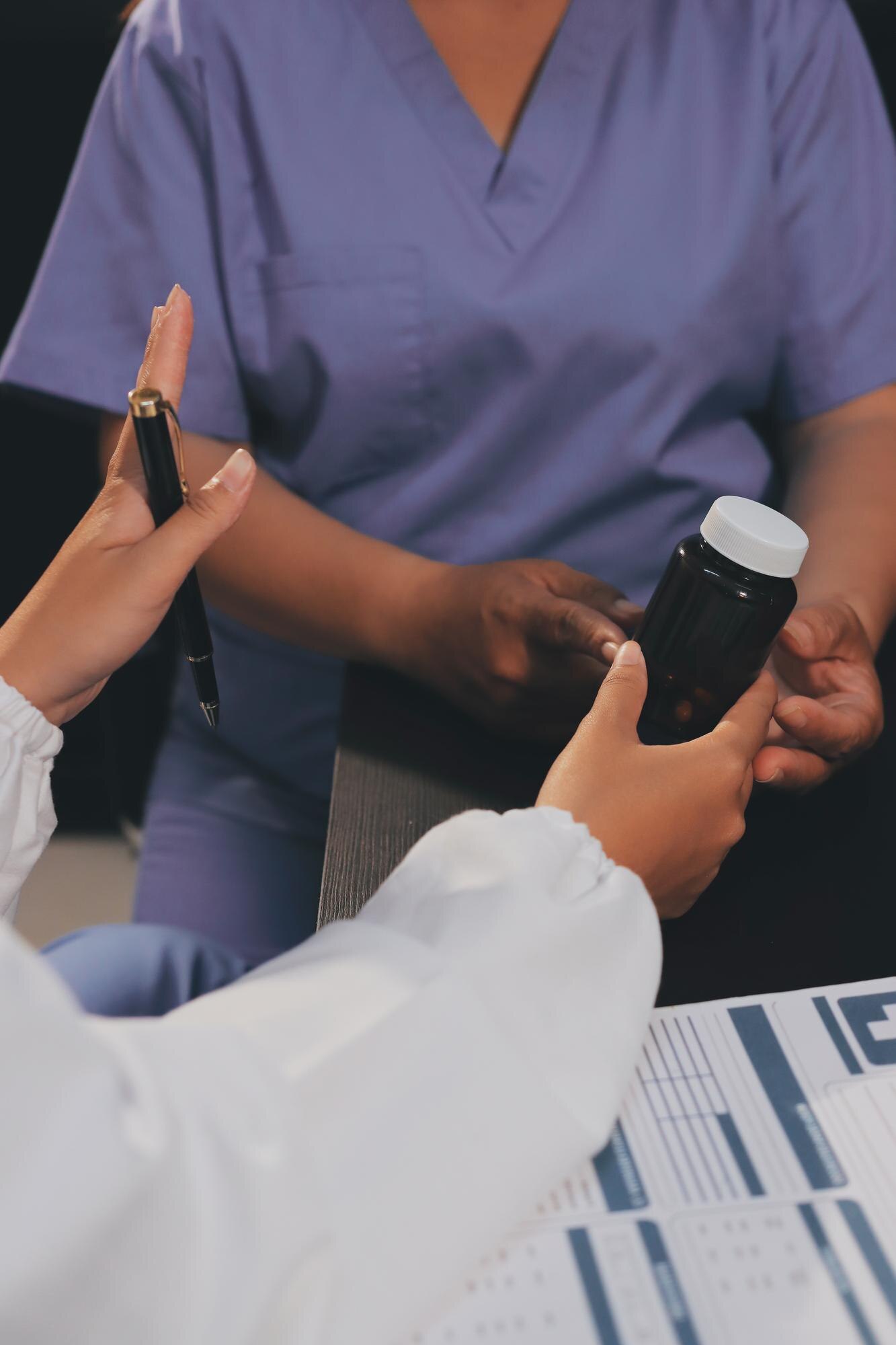
Bringing expertise into home care elevates the standard of service, fostering professional development and ensuring specialised training is accessible.
Nurse Oversight in Home Care
Nurse oversight plays a crucial role in enhancing home care. When nurses provide supervision, they bring a level of clinical governance that ensures high standards are met consistently. They offer guidance and mentorship to PAs and HCAs, helping them grow and develop professionally. This oversight is particularly important in managing complex care scenarios, where expert input can make all the difference in outcomes.
Professional Development for PAs and HCAs
Professional development is key to retaining skilled healthcare workers. Through ongoing training and support, PAs and HCAs gain the confidence and skills needed to excel in their roles. Opportunities for development, such as HCA upskilling and PA professional development, ensure that workers stay engaged and committed to their roles. This not only benefits the individual but enhances the overall quality of care delivered.
Specialised Training Programmes
Specialised training programmes address the unique needs of home care settings. These programmes cover essential skills and knowledge areas, from emergency response to managing specific health conditions. By participating in these programmes, healthcare workers can expand their expertise and become more versatile in their roles. This adaptability is crucial in home care, where the ability to respond to a wide range of situations is essential for quality service.
In summary, integrating clinical expertise into home care through nurse-led assessments and training transforms the quality of care provided. It ensures safety, builds confidence, and supports continuous professional growth. By focusing on compliance and fostering a person-centred approach, you enhance the care experience for clients and carers alike.